When the heat goes out in Reading, PA, the clock starts running, and the diagnosis depends entirely on what kind of system is doing the failing. On a gas furnace, the single most frequent culprit is a flame sensor coated in oxide: the burners light, the sensor cannot prove the flame, and the board shuts the gas down after the third attempt and locks out. Close behind come cracked hot surface igniters, stuck pressure switches, clogged condensate traps on high-efficiency models, and blower motors that have quietly worn out. Heat pumps fail differently: a weak defrost cycle leaves the outdoor coil armored in ice, a failed reversing valve strands the system in cooling, and a dead outdoor unit leaves the electric backup strips carrying the whole house at several times the operating cost.
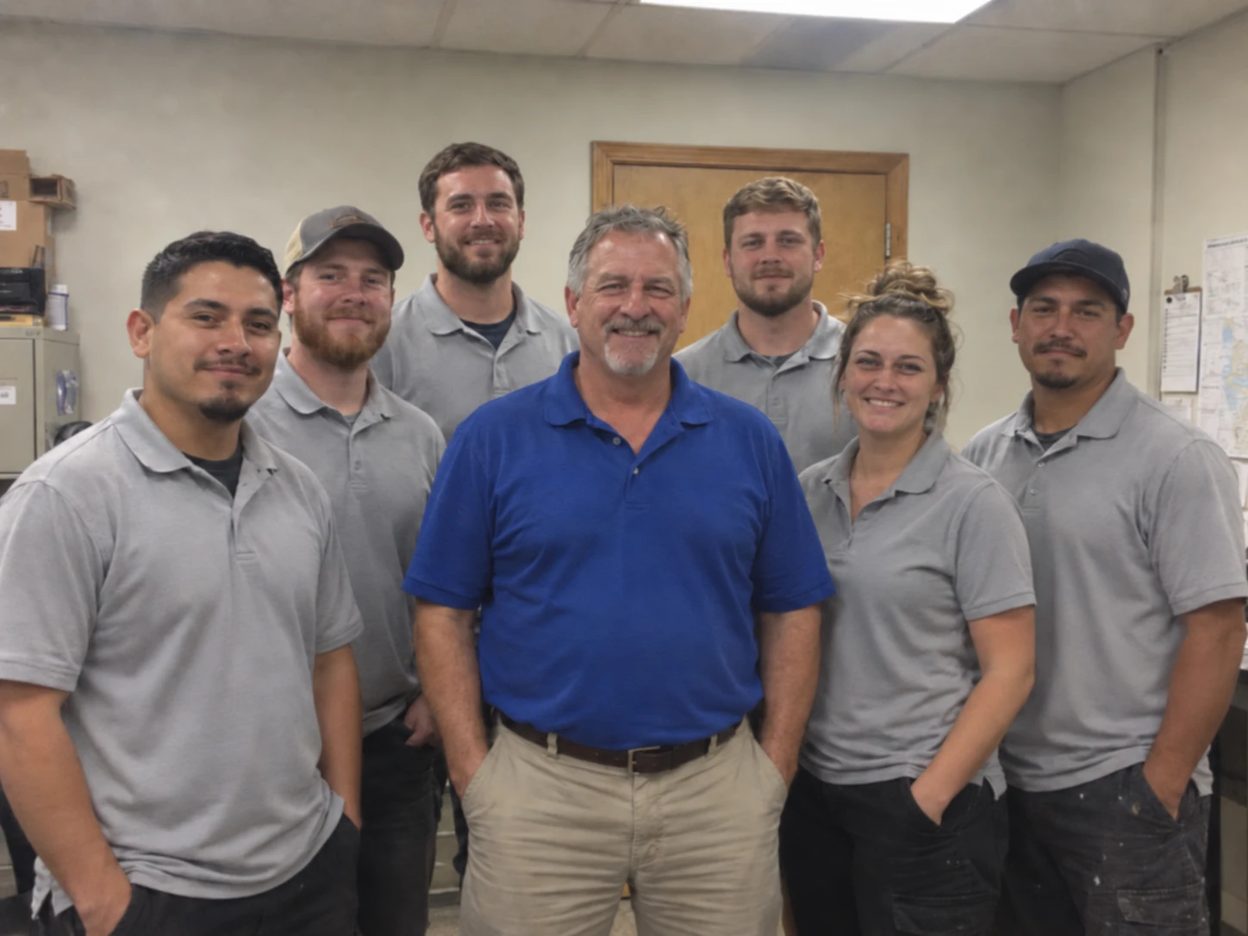
Reading HVAC runs every no-heat call diagnosis-first. Our experienced technicians read the board's fault codes and then verify them, measuring flame signal in microamps, testing igniters for resistance, confirming pressure switch operation against actual inducer draft, metering capacitors and motors, and checking refrigerant charge and defrost operation on heat pumps. Gas-side visits include the safety fundamentals as standard practice: connections are leak-tested, the heat exchanger inspected, and flue draft confirmed, because a heating repair that is not verified safe is not finished.
Furnace, heat pump, air handler, boiler, or ductless unit, and whatever brand is on the nameplate, we service it. Stocking igniters, flame sensors, capacitors, inducer motors, and blower motors on every truck means most homes are warm again the same visit. And if a repair no longer makes sense for aging equipment, we will be honest about that and lay out the options with real numbers. Call (610) 753-9970 for heating repair anywhere in Reading, and we will get the warm air moving today.
The repair homeowners call us about most is Furnace Repair in Reading. That's the place to start if you need a fix today.
Warning Signs for Heating Repair
The sooner you notice these red flags, the easier and cheaper the problem is to resolve. Here are the most common indicators that it's time to call a professional:
- An outdoor heat pump coil that stays iced over
- Frequent on-off cycles that never bring rooms up to temperature
- Burning, musty, or rotten-egg odors when the heat runs
- No warm air at the registers even with the heat turned up
- A loud boom when the burners light, which points to delayed ignition
- The furnace clicking and trying to light but shutting back down
- Uneven heat, with certain rooms that never warm up
- Heating bills spiking while comfort keeps falling
Act Before It Gets Worse
A failing capacitor, clogged condensate drain, or dirty flame sensor rarely fixes itself and usually gets more expensive to address the longer it runs. Call Reading HVAC at (610) 753-9970 at the first sign of trouble.
Need Help With Heating Repair?
Our experienced technicians are standing by to help.
Call (610) 753-9970 TodayYour Heating Repair Questions Answered
Why Hire a Professional for Heating Repair?
Heating repair carries the highest stakes in home comfort work because combustion is involved. A furnace that lights late booms gas vapor inside the heat exchanger and stresses the metal; a heat exchanger that cracks can pass combustion gases into the supply air; a flue that has stopped drafting sends carbon monoxide into the house instead of out of it, and none of these announce themselves in ways an untrained eye can catch. The diagnostic terrain is genuinely tricky too: a furnace that short-cycles might have a failing limit switch, or it might be protecting itself from a clogged filter, and cleaning a flame sensor without asking why it fouled leaves the next lockout already scheduled.
Our experienced technicians bring instruments and judgment to both problems. Flame signal is measured, not assumed; heat exchangers are inspected; draft is verified at the flue; temperature rise is checked against the data plate so the blower speed matches the fire. On heat pumps we test defrost boards, sensors, and reversing valves rather than condemning the compressor on a hunch, and we check whether the backup heat strips have been quietly running your bill up for weeks. The repair you get is one that has been proven safe and correct under a full cycle, which is exactly what you want from anyone touching the machine that keeps your family warm.
What to Expect From Our Heating Repair
We follow a proven process to ensure every repair and installation is completed to the highest standards. Here's how we handle heating repair from start to finish:
Diagnosis & Safety Inspection
We pull the fault codes, then verify: flame signal, igniter resistance, pressure switch operation, motor and capacitor health, and charge and defrost on heat pumps, with gas connections leak-tested as standard.
Findings & Upfront Pricing
We show you what failed and why, and give a firm price before work begins. If a cracked heat exchanger or dead compressor changes the math toward replacement, we say so plainly.
Same-Visit Repair
Because we stock igniters, flame sensors, pressure switches, capacitors, and motors, most repairs are finished on the first visit, and your home is warming up before we pack up.
Full Cycle Verification
We run complete heating cycles, measure temperature rise against the data plate, confirm safe combustion and draft on fuel-fired equipment, and verify every safety control before we go.
Not Sure What You Need?
We provide honest advice and upfront pricing on all heating repair work.
Get Help: (610) 753-9970Maintenance Tips for Heating Repair
Taking preventive measures can help you avoid costly heating and cooling problems down the road. Follow these tips from our experienced technicians:
- Never store paints, solvents, or chlorine products near the furnace; their vapors corrode the burners
- Have the system serviced each autumn, before the weather tests every weak component
- Make sure every level has a working carbon monoxide detector, and test it monthly
- Keep heat pump outdoor units clear of snow, leaves, and shrubs so defrost can do its job
- Call about booming at startup or new rattles right away, while the fix is still inexpensive
- Swap the filter every month while the heat is running, since restricted airflow trips limits and shortens heat exchanger life
- Keep the area around the furnace clear so the burner gets adequate combustion air
Comparing DIY and Professional Heating Repair
While some minor tasks like changing filters or checking a thermostat can be handled by homeowners, most HVAC work involves refrigerant, gas combustion, and high-voltage electricity, jobs that call for professional expertise. Consider the following comparison:
| Factor | DIY Attempt | Professional Service |
|---|---|---|
| Carbon Monoxide | An unseen hazard never gets tested | Exchanger inspected, flue draft confirmed |
| Troubleshooting | Parts swapped on a hunch | Readings taken before parts are replaced |
| Gas Connections | Fittings tightened and trusted | Connections leak-tested with instruments |
| Heat Pump Faults | An iced coil blamed on the compressor | Each defrost component checked in turn |
| Root Cause | Quick fix, same failure next week | The fault behind the fault diagnosed |
| Verification | Called fixed after a single cycle | Complete cycles tested against the data plate |
Get Heating Repair Help Today
Get your comfort back before a small fault becomes a full breakdown. Reading HVAC is ready to respond fast.
Call (610) 753-9970 TodayHeating Repair Across the Reading Area
Our technicians handle heating repair throughout Reading and the surrounding communities, with the same upfront pricing everywhere we work.